Abstract Watercolor Texture Background: A Versatile Design Element
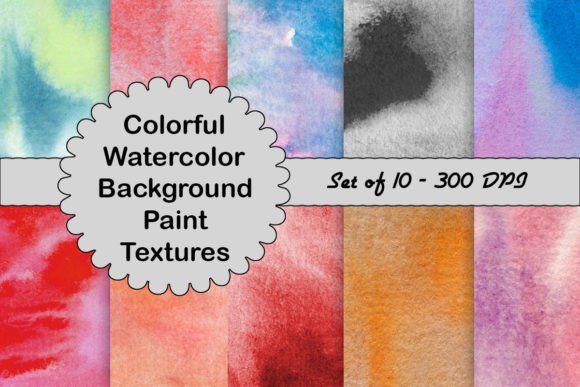
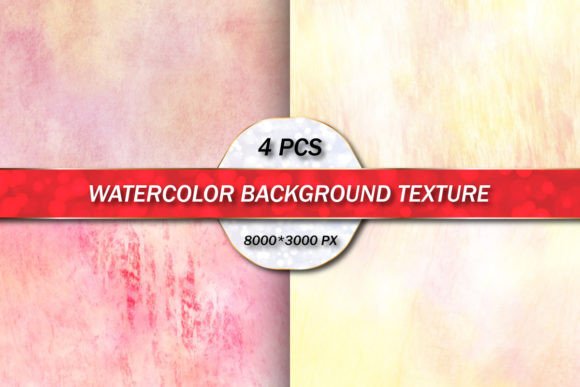
The Abstract Watercolor Texture Background is a digital design asset that captures the fluid and expressive nature of traditional watercolor painting, rendered in a stylized, abstract form. This type of background is often used to add visual interest and artistic flair to a wide range of creative projects. It can be found in sets that include multiple high-resolution textures, making it a valuable resource for designers, artists, and content creators.
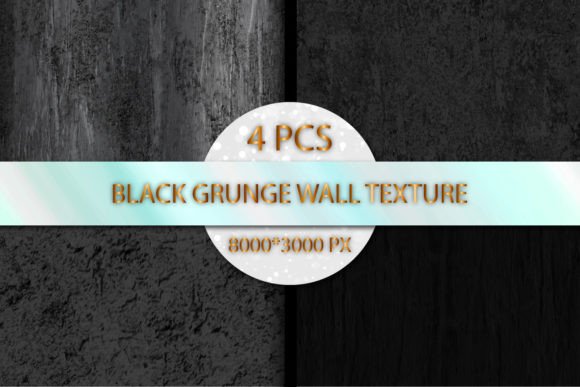
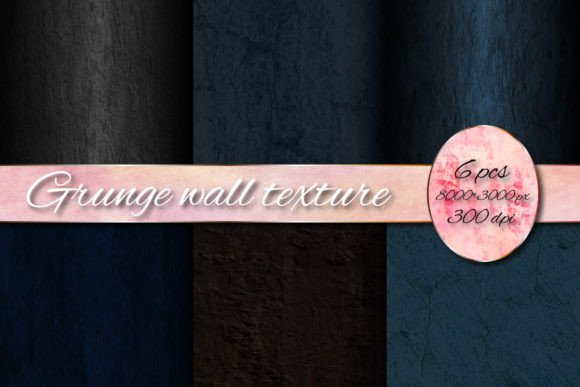
These backgrounds are typically available in formats such as AI (Adobe Illustrator) and JPEG, with resolutions up to 8000 x 3000 pixels and a high quality of 300 dpi. This makes them suitable for both print and digital use, ensuring clarity and detail whether they are applied to a business card or a large-scale banner.
Why Consider an Abstract Watercolor Texture Background?
There are several reasons why someone might be interested in using an Abstract Watercolor Texture Background. For one, it offers a unique aesthetic that can elevate the visual appeal of any project. The soft, flowing lines and muted color gradients of these textures can create a calming and artistic atmosphere, which is especially effective in branding, invitations, and website designs.
Additionally, these backgrounds are highly versatile. They can be layered, overlaid, or adjusted to suit different color schemes and design styles. This adaptability makes them a popular choice for those looking to add depth and character without overwhelming the overall composition.
Benefits and Tradeoffs
The primary benefit of using an Abstract Watercolor Texture Background is its ability to enhance visual storytelling. Whether you're designing a wedding invitation or creating a social media cover, these textures can help convey a sense of creativity and individuality.
However, there are also some tradeoffs to consider. While the abstract nature of these textures can be visually appealing, they may not be suitable for all contexts. For example, if a design requires a clean, minimal look, a more subdued or geometric pattern might be a better fit. Additionally, because these textures are often intricate, they may require careful layering to avoid cluttering the design.
Another consideration is file size. High-resolution files, while ideal for professional printing or large displays, can be large in size and may impact performance on websites or mobile applications. Users should ensure their hosting platforms can accommodate these files without affecting load times.
Situations Where It Fits Well
An Abstract Watercolor Texture Background is particularly well-suited for projects that benefit from a soft, artistic feel. This includes:
- Wedding Invitations and Cards: The gentle, flowing patterns can evoke a romantic and elegant vibe, perfect for special occasions.
- Business Branding: These textures can be used in logos, website headers, or promotional materials to give a brand a more creative and modern look.
- Social Media Content: From Facebook covers to Instagram posts, these backgrounds can make content stand out with a unique visual identity.
- Presentations and Banners: Adding an abstract watercolor texture can help break up text-heavy slides or banners, making them more engaging.
When Alternatives May Be Better
While an Abstract Watercolor Texture Background is a great option for many applications, it may not always be the best choice. If a design needs to maintain a minimalist or modern aesthetic, simpler textures like geometric patterns or solid colors may be more appropriate.
Additionally, for projects that require a high level of clarity or precision—such as technical diagrams or data visualizations—these abstract textures could potentially distract from the main message. In such cases, it's important to prioritize functionality over aesthetics.
Practical Decision-Making Insights
When deciding whether to use an Abstract Watercolor Texture Background, it's important to consider the overall purpose of the design. Ask yourself: Does this texture support the message I want to convey? Will it enhance the user experience or detract from it?
It’s also wise to test the texture in different contexts before finalizing a design. Seeing how the texture interacts with text, images, and other elements can reveal whether it complements the overall composition or creates unnecessary visual noise.
Finally, consider the platform where the design will be used. For instance, while high-resolution files are essential for print, they may not be necessary for web-based projects. Optimize accordingly to balance quality with performance.
In conclusion, an Abstract Watercolor Texture Background can be a powerful tool in a designer's toolkit. Its versatility, aesthetic appeal, and wide range of applications make it a compelling choice for those looking to add a touch of artistry to their work. However, it's important to evaluate each project carefully to ensure that the texture aligns with the intended goals and audience expectations.